Class specs, not a serial number list. A tracked mulcher, a Ventrac slope tractor, a chainsaw crew, a stump grinder, and a chipper with a grapple truck. No dozer and no excavator at launch. A grading contractor cuts the pad after we clear the ground.
Wheeled machines look cheaper until they cut ruts you will still see in October. These are the classes that stay on the grade. Every number below comes from the manufacturer page it cites.
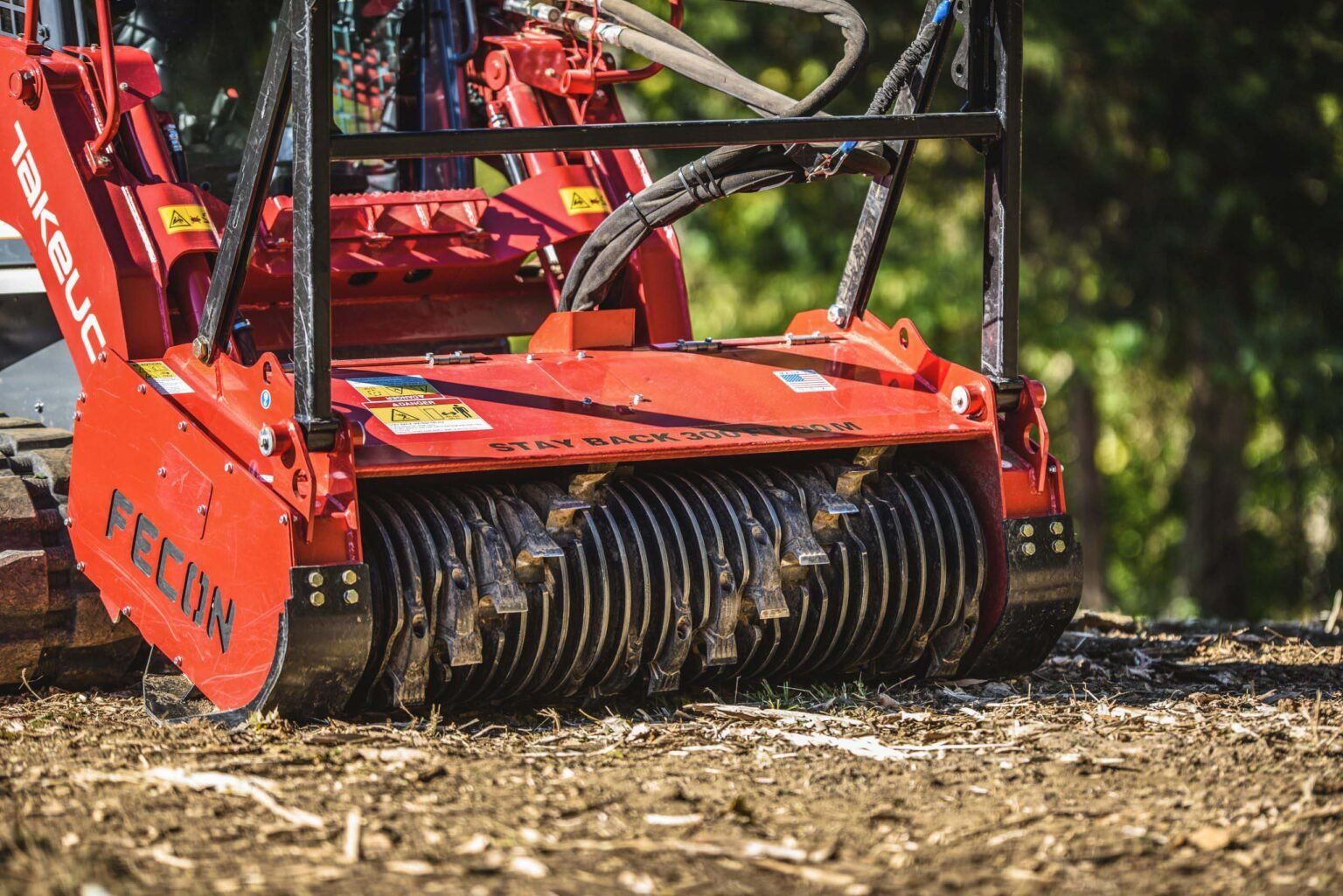
A 30 percent face in Fairview with 6-inch saplings is mulcher ground. The tracked carrier stays on the surface, the drum or rotary head turns the stems to chips, and the chips stay on the slope as the first erosion cover. The root mat holds. Reference spec for the class: the Fecon FTX150-2 tracked carrier with a Bull Hog head. A manufacturer slope rating is a rating and not a promise for your lot. Wet clay and rock set the real limit on the day.
Spec
Class range
Carrier
Tracked, purpose-built forestry carrier or compact track loader
Reference horsepower
155 hp (Fecon FTX150-2)
Reference weight
20,900 lb with Bull Hog head (Fecon FTX150-2)
Reference ground pressure
4.8 psi with head, SAE J1309 (Fecon FTX150-2)
Reference slope rating
40 degrees, all directions, manufacturer rating (Fecon FTX150-2)
Head
Drum or rotary. Fecon Bull Hog standard flow: 50 or 60 in cut, trees to 5 in
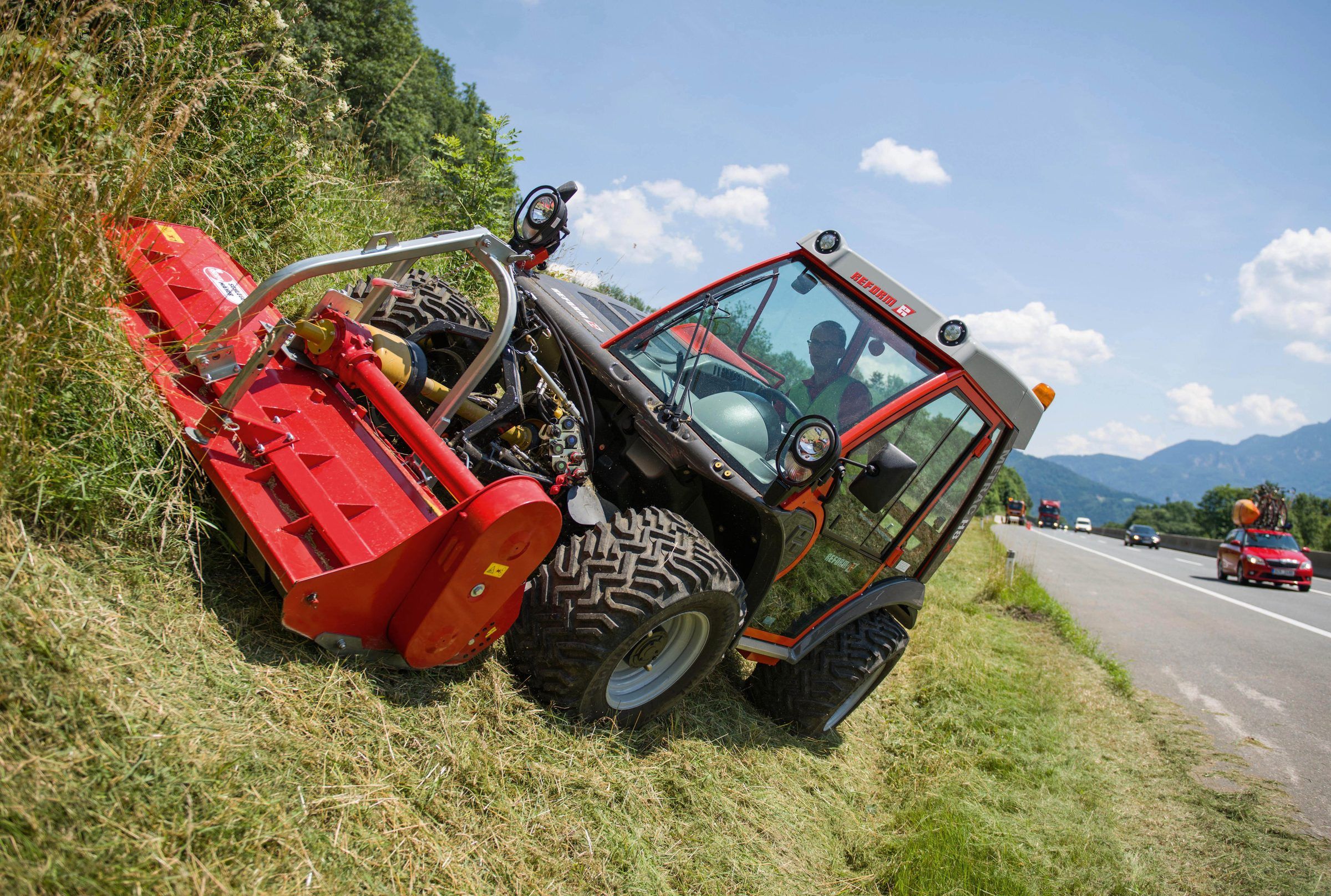
The Ventrac takes the mown ground the tracked machine is too wide for: pasture edges, fence lines, orchard rows, the bank behind the house. It carries a brush or flail head. Ventrac rates its tractors for slopes to 30 degrees with dual wheels and 25 degrees with wheel extensions. That is a manufacturer rating. A wet clay bench is a different surface and the operator decides on the day.
Spec
Class range
Reference model
Ventrac 4520
Reference horsepower
32.5 hp (4520N)
Reference weight
1,700 lb (4520N)
Overall width
48.5 in
Articulation
Up to 15 degrees
Slope rating
30 degrees with dual wheels, 25 degrees with wheel extensions, manufacturer rating
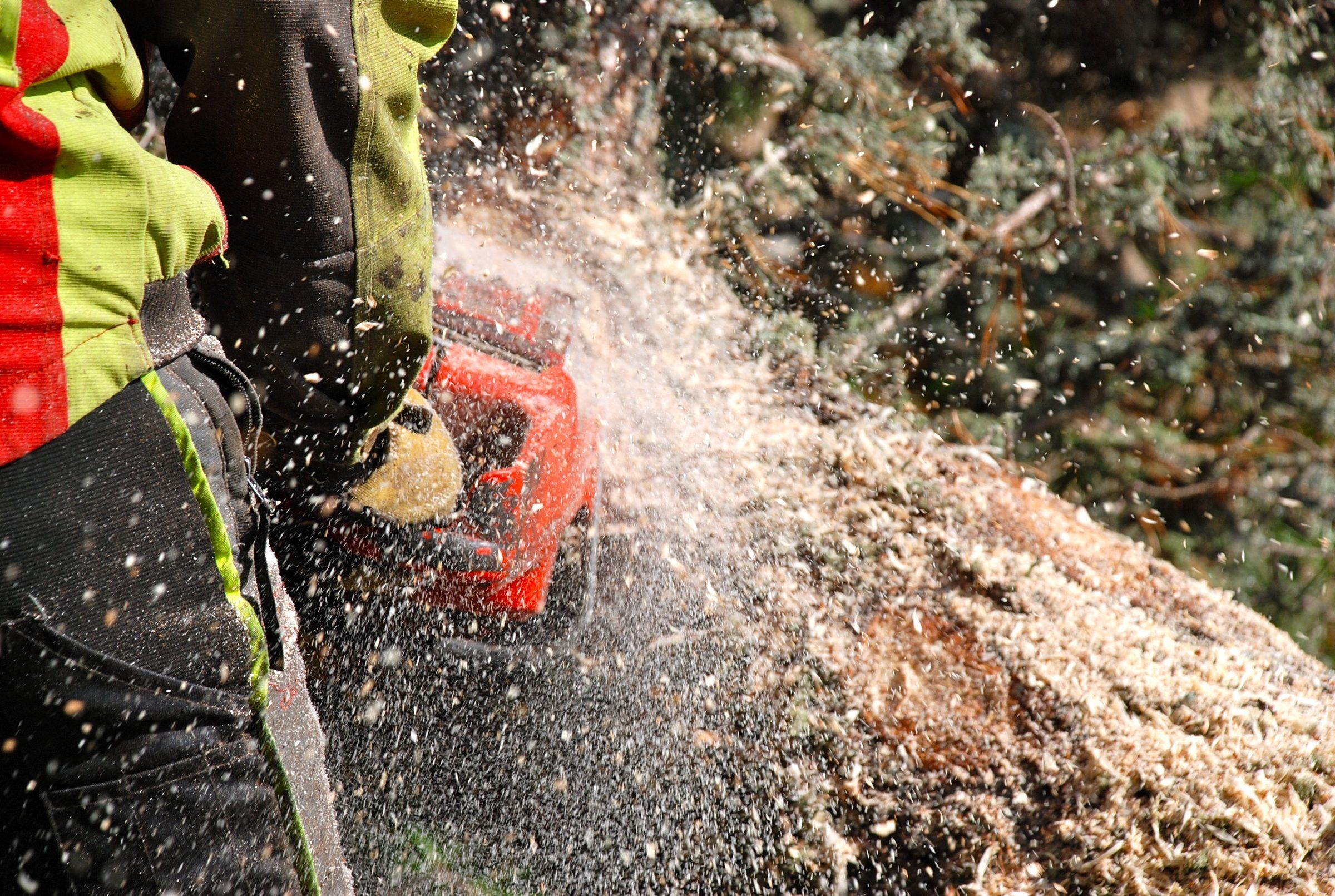
The head does not eat a 24-inch oak. The crew does. Sawyers take the big hardwood, the leaners, and any stem that can reach a roof, a line, or a road. Keep-trees carry ribbon before a saw starts. Rigging goes on near structures. Logs with sawtimber value stack at the landing before a chipper touches them. This page carries no numbers for the crew because no manufacturer page describes one.
Spec
Class range
Work
Big stems, leaners, hazard trees, storm timber
Ground
Anything a person can stand on, including ground no machine reaches
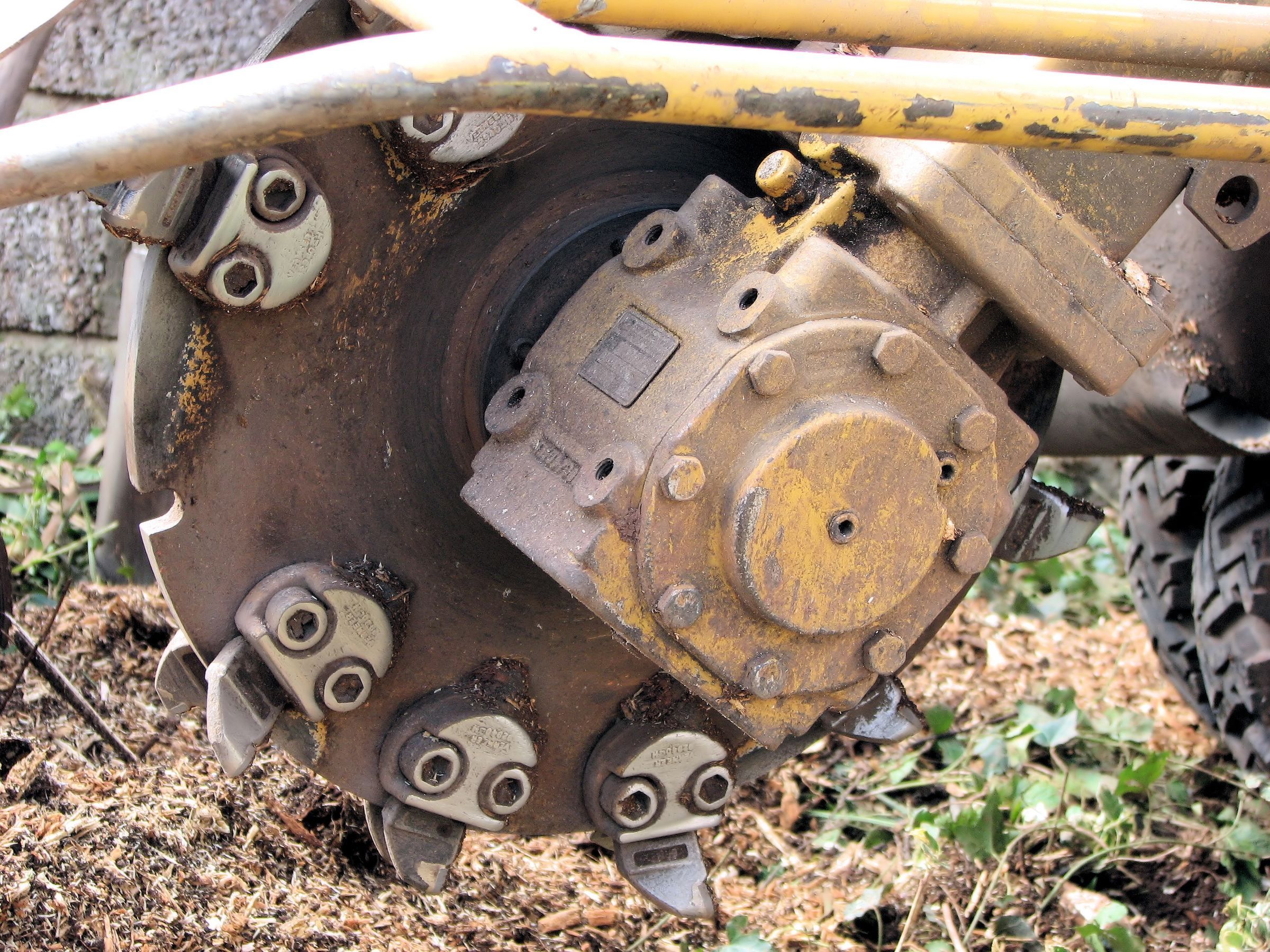
Hardwood stumps on rocky ground eat teeth fast. If the field is oak and granite, budget for teeth and hours and not for a cheap pass. Grind below grade for a lawn, a path, or a planting bed. A pad that cannot have a root crown in it needs a pull, and a pull is excavator work that goes to the grading contractor. This page carries no grinder numbers because no manufacturer page was verified for this class.
Spec
Class range
Work
Stumps ground below grade after a fell or a mulch pass
Cost driver
Hardwood plus rock wears teeth fast
Not this machine
Stump pulls for a pad go to the grading contractor
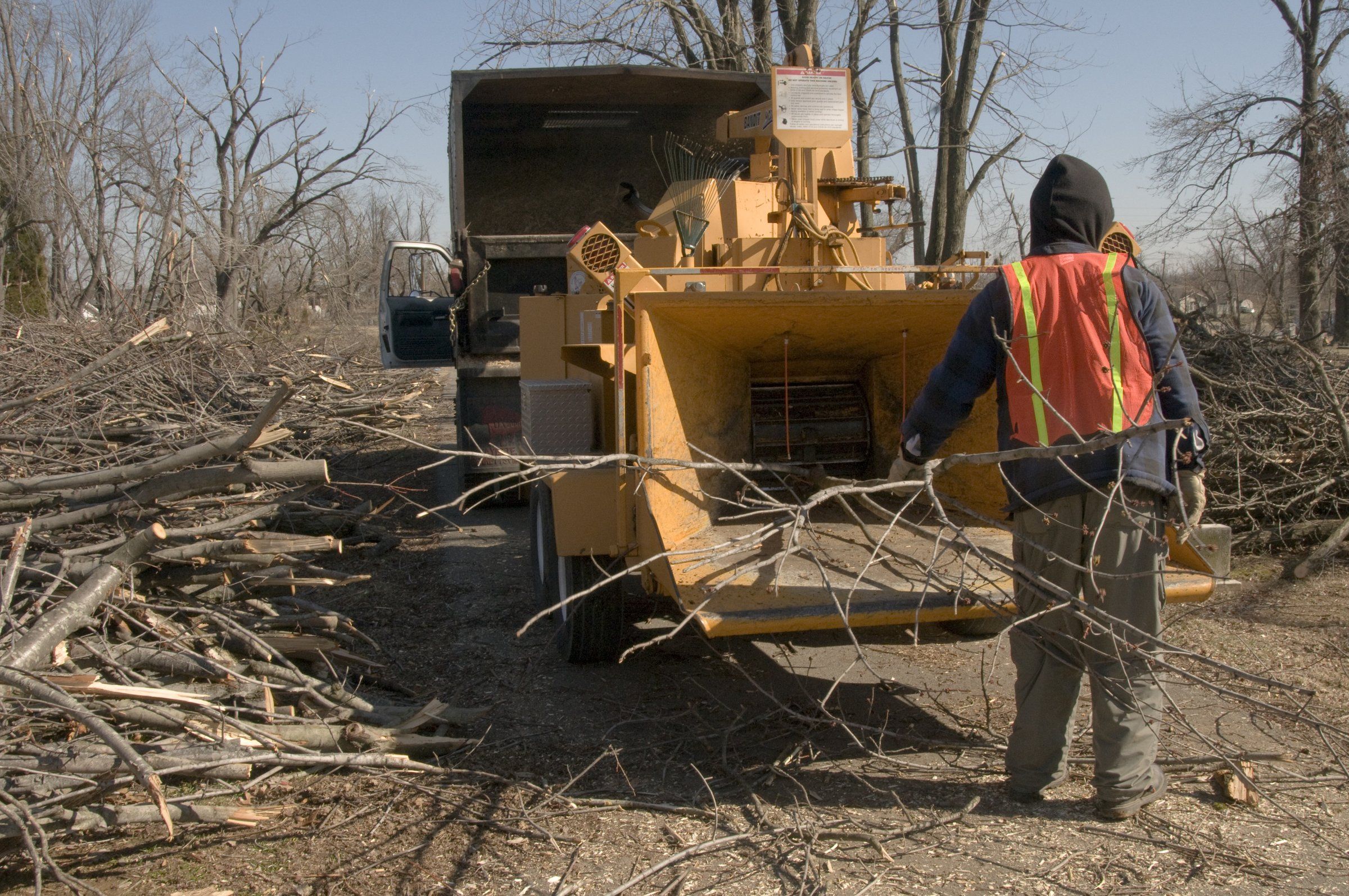
What the head did not process gets chipped or hauled. The grapple truck loads storm wood and the big stems the crew felled. The chipper turns tops and limbs into cover or into a load. Burning is a permit path and not the default. Any open burn needs an NC Forest Service permit, and land-clearing debris on more than 5 contiguous acres needs the special permit. Chip and haul and you skip that permit. This page carries no chipper numbers because no manufacturer page was verified for this class.
Spec
Class range
Work
Chip tops and limbs, grapple and haul what stays whole
Slope, stem size, rock and access decide the class. We walk the property first. A satellite quote can't see the granite. If the job needs a pad, a wall, or a culvert, we say so on the walk and name the grading contractor's scope.